
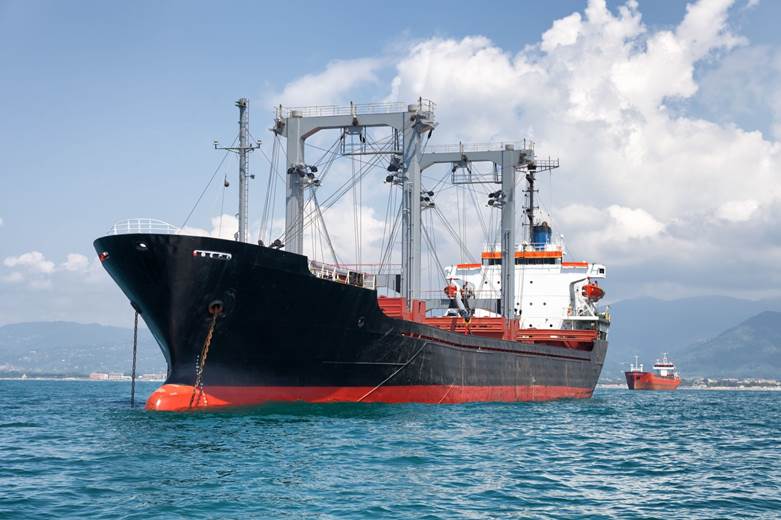
Commercial cargo vessel undergoing transit
Unmitigated exposures across commercial Hull & Machinery (H&M) and Protection & Indemnity (P&I) structures represent an existential threat to maritime capital structures and debt covenants. For asset owners, private equity sponsors, and institutional financiers, executing rigorous liability mitigation strategies is the only defense against uninsurable vessel detentions, sudden cash flow impairment, and catastrophic equity write-downs.
The Economic Impact: Balance Sheet Volatility and ROI Erosion
In modern maritime finance, an unhedged risk event rapidly reverberates through the entire corporate capital stack. Uninsured operational delays or regulatory asset freezes do not merely damage line-item earnings—they impair asset valuation, triggering technical defaults under loan agreements backed by Senior Secured Debt & Mezzanine Financing.
[Operational Incident / Sanction Trigger]
│
▼
[Uninsured Cash Outflow / Fine]
│
▼
[EBITDA Impairment & Liquidity Squeeze]
│
▼
[LTV Breach & Debt Covenant Acceleration]
│
▼
[Distressed Refinancing / Equity Wipeout]
When a vessel suffers a main engine failure, grounding, or environmental incident within high-risk corridors, the financial consequences radiate outward:
- EBITDA Degradation & Liquidity Squeezes: Primary H&M deductibles, unrecoverable general average contributions, and P&I discretionary call increases drain operational cash reserves.
- Debt Covenant Breaches: Lenders require strict Loan-to-Value (LTV) and Debt Service Coverage Ratio (DSCR) compliance. A physical loss or P&I club letter of undertaking (LOU) delay can freeze vessel earnings, driving lenders to declare an event of default and accelerate debt obligations.
- Vessel Arrest & Capital Lockup: Maritime liens asserted by salvors or third-party claimants can lead to rapid Asset Seizure & Hull War Risk claims. Capital remains locked in escrow while daily hire rates are lost in contentious legal battles.
- Yield Compression for Institutional Investors: Unbudgeted capital calls from International Group (IG) P&I Clubs destroy projected Internal Rates of Return (IRR) for private equity funds holding maritime assets, converting performing yield plays into distressed workouts.
The Legal and Compliance Framework
Navigating global maritime commerce requires compliance with overlapping regulatory frameworks, trade sanctions, and contractual mechanisms.
Regulatory Framework Matrix
| Compliance Vector | Primary Authority / Framework | Risk Exposure & Financial Thresholds |
| Sanctions & Enforced Exclusion | OFAC Sanctions Compliance, EU, UK OFSI | Strict liability for price-cap non-compliance or dark-fleet interactions; leads to asset forfeiture and complete loss of P&I indemnity cover. |
| War Risk & Listed Areas | Joint War Committee (JWC) Circulars (e.g., JWLA-032) | Mandatory 7-day notice of arrival in designated high-risk zones; subject to breach premiums and unrated exclusions. |
| Emissions & Climate Liability | EU ETS Phase-In & FuelEU Maritime | 100% |
| Contractual Risk Transfer | BIMCO War Clauses (CONWARTIME / VOYWAR) | Charter party disputes regarding safe port designations, refusal to navigate high-risk corridors, and hire payment continuity. |
┌─────────────────────────────────────────┐
│ OFAC & Statutory Regimes │
└────────────────────┬────────────────────┘
│
┌──────────┴──────────┐
▼ ▼
┌───────────────────┐ ┌───────────────────┐
│ Underwriting Rules│ │ Contractual Clauses│
│ (IG P&I Rules / │ │ (BIMCO / Charter │
│ JWC Exclusions) │ │ Parties) │
└─────────┬─────────┘ └─────────┬─────────┘
│ │
└──────────┬──────────┘
▼
┌─────────────────────────────────────────┐
│ Enforceable Loss Prevention & │
│ Direct Indemnity Obligations │
└─────────────────────────────────────────┘
High-Risk Navigational Directives
The Joint War Committee revised its listed areas via circulars such as JWLA-032, expanding high-risk boundaries across the Red Sea, Indian Ocean, and South American offshore sectors. Operating inside these coordinates without explicit underwriter endorsement voids primary war policy cover and triggers steep breach premiums.
18°N ────────────────────────── (Northern Limit)
│
│ [Southern Red Sea / Gulf of Aden / Indian Ocean]
│ * Enhanced War Premium Applies
│ * Mandatory Pre-Transit Notification
│
1°40’S ──────────────────────── (Southern Limit)
Environmental Compliance
The inclusion of methane () slip and nitrous oxide (
) into the EU Emissions Trading System (EU ETS) forces shipowners to surrender allowances (EUAs) for 100% of emissions on intra-EU voyages and 50% on international voyages. Methane slip carries a global warming potential penalty 28 times higher than
. Unreported methane slip triggers severe statutory penalties, regulatory enforcement, and potential ESG Disclosure Liability for fund managers falsely reporting emissions metrics to institutional investors.
Automated Navigation Risks
As operators adopt autonomous, remote-controlled, and AI-driven bridge navigation systems in high-threat zones like the Red Sea, underwriters face new liability questions. When an algorithm misinterprets AIS spoofing or misidentifies a surface threat, traditional “perils of the sea” defenses erode. If an AI error causes a collision or grounding, P&I clubs may question the vessel’s seaworthiness, potentially exposing board members to Arbitration & Litigation Costs and direct executive liability.
Strategic Recommendations for C-Suite Executives
1
Execute an Integrated Risk Audit
Align Primary Policies and Charter Terms
1.Execute an Integrated Risk Audit:Align Primary Policies and Charter Terms.
Board members must align primary H&M, Excess P&I, and War Risk policies. Ensure war risk endorsements match the precise geographic limits defined in current Joint War Committee (JWC) Circulars. Integrate continuous tracking and automated AIS-gap monitoring. Verify that charter parties contain unamended BIMCO Sanctions Clauses giving owners clear rights to refuse transit through dangerous waters without defaulting on performance guarantees.
2
Deploy Parametric Risk Transfer Options
Provide Immediate Liquidity
2.Deploy Parametric Risk Transfer Options:Provide Immediate Liquidity.
Traditional indemnity coverage often delays payouts during complex claims investigations. Integrating Parametric Insurance Premiums into your risk budget provides immediate cash flow during disruption events. Structure alternative risk policies with pre-agreed payouts to hedge against extended port delays, canal blockages, and defined geographic detentions without requiring protracted loss adjustments.
3
Establish Compliance Controls Across Debt Protocols
Audit Methane and Regulatory Reporting
3.Establish Compliance Controls Across Debt Protocols:Audit Methane and Regulatory Reporting.
Ensure your risk management procedures align with lender requirements under your Senior Secured Debt & Mezzanine Financing agreements. Install certified emissions monitoring devices to measure actual engine methane slip, avoiding standard penalty default values under EU ETS regulations. Maintain continuous compliance tracking for OFAC Sanctions Compliance and ESG Disclosure Liability to protect against technical loan defaults, asset seizures, and class-action litigation.
Specialized Risk Advisory Services
Navigating complex marine insurance requirements, geopolitical disruptions, and dynamic regulatory regimes requires specialized expertise. Marine operators and institutional investors must work closely with experienced brokers, underwriters, and legal advisors to structure tailored risk mitigation strategies.
Through structured insurance arrangements, risk transfer mechanisms, and proactive compliance frameworks, shipowners can protect their assets, maintain access to global capital, and secure stable returns across changing market cycles.
Conclusion and Call to Action
Managing operational risks, regulatory obligations, and asset security is essential for modern commercial shipping. Shipowners and financial stakeholders need resilient, proactive risk strategies to shield their capital structures from volatile market conditions and unexpected disruptions.
Oitha Marine provides comprehensive chartering, operational logistics, and maritime support services designed to keep your supply chain secure and efficient.
Contact Oitha Marine today to discuss how our tailored logistics and chartering solutions can support your fleet’s global operations.
Frequently Asked Questions
What is the difference between Commercial Hull Insurance and P&I Coverage?
Commercial Hull & Machinery (H&M) insurance covers physical loss or damage to the vessel’s structure, hull, machinery, and equipment caused by insured perils like marine collisions or groundings. Protection & Indemnity (P&I) insurance is a mutual club cover that addresses third-party liabilities, including crew injury, cargo damage, oil pollution, environmental fines, and wreck removal obligations.
How do Joint War Committee (JWC) circulars affect marine insurance premiums?
The Joint War Committee issues circulars (such as JWLA-032) that update geographical regions designated as areas of perceived enhanced risk. Operating a vessel within these designated zones requires formal notification to underwriters and usually triggers additional breach premiums or modified coverage terms for the duration of the transit.
How does EU ETS Phase-In impact methane slip for LNG-fueled vessels?
Under the EU Emissions Trading System regulations, shipping companies must surrender EU Allowances (EUAs) covering their verified greenhouse gas emissions. Methane slip from dual-fuel or LNG engines carries a significantly higher global warming potential factor than , increasing required carbon allowance surrenders and operational costs for fleet operators.
What are parametric insurance premiums in maritime risk management?
Parametric insurance provides pre-agreed financial payouts automatically triggered by measurable events—such as specific port closures, defined weather thresholds, or geographic transit halts. Unlike traditional indemnity insurance, parametric coverage pays out without requiring lengthy physical loss assessments, providing rapid liquidity during operational disruptions.
How do sanctions compliance breaches impact marine insurance policies?
Violating trade sanctions enforced by bodies like OFAC invalidates marine insurance coverage. Under standard market clauses, underwriters are prohibited from indemnifying, paying claims for, or defending an asset involved in unlawful trades, leaving vessel owners exposed to asset forfeiture, detention, and complete liability.
Charter Party Review Checklist: BIMCO Sanctions & War Risk Clauses Integration
This checklist provides commercial vessel owners, charterers, and maritime legal counsel with a systematic audit protocol for reviewing charter parties (Time and Voyage). It ensures that standard, unamended BIMCO Sanctions Clauses and BIMCO War Risk Clauses (CONWARTIME 2013 and VOYWAR 2013) are fully incorporated without diluting owner protections or creating coverage gaps across Hull & Machinery (H&M) and Protection & Indemnity (P&I) policies.
Section 1: BIMCO Sanctions Clause Integration Audit
┌────────────────────────────────────────────────────────────────────────┐
│ BIMCO SANCTIONS CLAUSE AUDIT FLOW │
└───────────────────────────────────┬────────────────────────────────────┘
│
┌──────────────────┴──────────────────┐
▼ ▼
┌─────────────────────────────────┐ ┌─────────────────────────────────┐
│ TIME CHARTERPARTIES │ │ VOYAGE CHARTERPARTIES │
│ (BIMCO Sanctions Clause 2020) │ │ (BIMCO Sanctions Clause 2020) │
└────────────────┬────────────────┘ └────────────────┬────────────────┘
│ │
▼ ▼
┌─────────────────────────────────┐ ┌─────────────────────────────────┐
│ • Check strict warranty │ │ • Verify loading/discharge port │
│ • Ensure right to refuse orders │ │ designation prohibitions │
│ • Confirm hire continuity │ │ • Confirm owner right to cancel │
└─────────────────────────────────┘ └─────────────────────────────────┘
1.1 Textual Integrity & Unamended Status
- [ ] Exact Standard Wording: Confirm that the clause references the official BIMCO Sanctions Clause for Time Charter Parties 2020 or BIMCO Sanctions Clause for Voyage Charter Parties 2020.
- [ ] No Unauthorized Modifiers: Verify that words such as “materially”, “knowingly”, or “to the best of charterer’s knowledge” have not been added to soften the charterers’ warranty. Sanctions compliance requires strict, absolute liability.
- [ ] Broad Sanctions Authority Definition: Ensure the clause defines “Sanctions Target” and “Sanctions Authority” widely to encompass OFAC (US), EU, UK (OFSI), UN, and the flag state of the vessel.
1.2 Operational Rights & Hire Continuity (Time Charters)
- [ ] Absolute Warranties: Confirm charterers warrant that neither they, the sub-charterers, shippers, receivers, nor cargo owners are designated Sanctions Targets.
- [ ] Right to Refuse Orders: Verify that owners retain an explicit, unilateral right to refuse charterers’ orders or voyage directions if execution would expose the vessel, crew, owners, or underwriters to sanctions risks.
- [ ] Hire Obligations During Delay: Confirm that if a vessel is delayed, detained, or forced to wait for revised voyage orders due to sanctions issues arising from charterers’ orders, the vessel remains on hire throughout.
- [ ] Right to Discharge Cargo & Terminate: Ensure owners have the express right to request alternative orders, discharge cargo at a safe alternate port at charterers’ cost, and terminate the charter party if compliant orders are not provided within a specified timeframe (typically 48 hours).
Section 2: BIMCO War Risk Clauses Audit (CONWARTIME 2013 & VOYWAR 2013)
2.1 Trigger Definitions & Peril Coverage
- [ ] Scope of Perils: Confirm the definition of “War Risks” encompasses acts of war, civil war, hostilities, revolution, rebellion, terrorism, sabotage, piracy, blockades, and weapons/mines exposure.
- [ ] Owner’s Discretionary Standard: Ensure the judgment of whether an area is dangerous is based on the reasonable judgment of the Owner/Master (“in the reasonable judgment of the Owners and/or Master“) rather than requiring objective, proven certainty of imminent attack.
[Vessel Approaching High-Risk / JWC Area]
│
▼
[Owner / Master Reasonable Judgment Assessment]
│
┌───────────────────────┴───────────────────────┐
▼ ▼
[Reasonable Risk Identified] [Risk Acceptable]
│ │
▼ ▼
┌───────────────────────────┐ ┌───────────────────────────┐
│ • Refuse Navigation │ │ • Request Revised Orders │
│ • Require War Risk Cover │ │ • Pass-Through Breach │
│ • Discharge at Safe Port │ │ Premiums to Charterer │
└───────────────────────────┘ └───────────────────────────┘
2.2 Time Charter Specifics (CONWARTIME 2013)
- [ ] No Mandatory Entry: Verify that charterers cannot force the vessel to proceed to or through any zone, port, or canal where War Risks exist without owner consent.
- [ ] Insurance Breach Premiums: Confirm that if the vessel enters or transits a War Risk area with owner consent, charterers reimburse owners for all additional war risk insurance premiums (including Joint War Committee / JWC breach premiums, crew war bonuses, and additional security costs).
- [ ] Off-Hire Exclusions: Confirm that time spent waiting for revised orders, drifting outside a dangerous area, or discharging cargo at an alternate safe port remains fully on hire.
2.3 Voyage Charter Specifics (VOYWAR 2013)
- [ ] Pre-Loading Right to Cancel: Ensure owners can cancel the charter party prior to loading if War Risks arise or escalate in a designated port or area along the route.
- [ ] In-Transit Deviation Rights: Confirm that if War Risks arise after loading, owners may request alternative discharge instructions or proceed to a safe alternate port to discharge cargo, with all extra freight, storage, and handling costs borne by cargo interests/charterers.
Section 3: Alignment with Marine Insurance Policies
To prevent uninsurable exposures, the charter party terms must align with the vessel’s primary insurance coverage.
| Charter Party Element | Insurance / Underwriting Requirement | Audit Action |
| JWC Listed Areas | War Risk Policy Breach Premium Rules | Ensure charter party allows automatic pass-through of JWC circular breach premiums directly to charterers. |
| Sanctions Exclusions | P&I / H&M Sanctions Limitation Clauses | Confirm that if underwriters cancel or restrict cover due to charterer trade, vessel automatically goes off-hire or charter terminates. |
| AIS Tracking Protocols | Hull & Machinery Seaworthiness Warranties | Verify charterers cannot order intentional AIS manipulation or “dark fleet” ship-to-ship (STS) transfers. |
| Contraband & Price Cap | Oil Price Cap Attestation Standards | Ensure charterers are obligated to provide signed Price Cap Statements of Attestation prior to loading oil products. |
Section 4: Red Flag Clause Rejections (Common Amendments to Reject)
When reviewing draft charter parties from charterers, reject the following dangerous alterations:
- [ ] REJECT: Insertion of “material” or “substantially” before “War Risks” or “Sanctions Target”.
- [ ] REJECT: Clauses forcing owners to obtain “charterer consent” prior to taking measures to avoid war zones or sanctions risks.
- [ ] REJECT: Language placing the vessel off-hire while waiting for safe alternative voyage instructions following a sanctions event or war risk refusal.
- [ ] REJECT: Caps or limitations on the amount of War Risk breach premiums or additional insurance costs that charterers are required to reimburse.
- [ ] REJECT: Deletion of the Master’s independent authority to make safety decisions regarding passage through high-risk waters.
Below is a custom-drafted, unamended-style Charter Party Rider Clause designed to enforce continuous Automatic Identification System (AIS) operation, eliminate dark-fleet AIS manipulation, and strictly regulate high-risk Ship-to-Ship (STS) cargo operations.
This clause harmonizes the BIMCO AIS Switch-Off Clause 2021 and BIMCO Ship-to-Ship Transfer Clause with sanctions enforcement advisories issued by OFAC, the European Union, UK OFSI, and the IMO.
CLAUSE [ ]: CONTINUOUS AIS BROADCASTING, ANTI-MANIPULATION, AND HIGH-RISK SHIP-TO-SHIP (STS) TRANSFER RESTRICTION CLAUSE
(a) Warranties and Continuous AIS Operation
- Prior Activity Warranty: Owners warrant that for a period of six (6) months prior to the date of delivery/commencement of this Charter Party (or since the vessel’s construction if younger), the Vessel has continuously operated its Automatic Identification System (AIS) in full compliance with Regulation 19 of Chapter V of the International Convention for the Safety of Life at Sea (SOLAS) and Revised IMO Resolution A.1106(29) (the “SOLAS Guidelines”).
- Ongoing Warranty: Owners warrant that throughout the currency of this Charter Party, the Vessel shall maintain its AIS operational and broadcasting continuously, transmitting true, uncorrupted, and accurate vessel identity, position, course, speed, and status data.
- Prohibition of Manipulation: Neither Owners nor Charterers shall manipulate, switch off, disable, throttle, falsify, or alter the Vessel’s AIS signals, data, or equipment, nor shall Charterers order the Vessel to engage in tactics designed to obfuscate its geographical position, including but not limited to AIS spoofing, GNSS/GPS simulation, or deliberate dark-fleet operations.
- Legitimate SOLAS Exceptions: Non-transmission or switching off of AIS shall not constitute a breach of this Clause if done solely for legitimate safety or security reasons as recognized under the SOLAS Guidelines (e.g., navigating through high-risk piracy/security zones or protecting the immediate safety of the Vessel and crew), or if caused by an unavoidable technical breakdown/failure. In the event of an AIS technical breakdown, the Master shall immediately enter a note in the official deck logbook, notify the Flag State and Owners, and inform Charterers in writing.
(b) Right of Inquiry, Data Sharing, and Verification
- If Charterers, Owners, Flag State, or Underwriters receive an automated AIS-gap alert, satellite anomaly flag, or formal query regarding an interruption or manipulation of the Vessel’s AIS, the Master/Owners shall promptly provide a written explanation supported by official logbook entries, weather data, or technical reports.
- Owners agree to allow Charterers access to the Vessel’s historical and real-time satellite AIS tracking data upon reasonable request to demonstrate compliance for sanctions due diligence.
(c) Restrictions and Mandatory Protocols for Ship-to-Ship (STS) Transfers
- Prior Written Consent Required: The Vessel shall not engage in any Ship-to-Ship (STS) transfer of cargo, fuel, or slops unless specifically authorized under this Charter Party or expressly approved in writing by Owners at least seventy-two (72) hours prior to the intended operation.
- Absolute Prohibition in High-Risk Circumstances: Under no circumstances shall Charterers order, nor shall Owners/Master execute, an STS transfer if:
- (i) The transfer is to take place in international waters outside recognized, designated, and legally sanctioned STS transfer areas or port limits;
- (ii) The participating vessel (“transshipping vessel”) has engaged in an unexplained AIS signal interruption or pattern of AIS manipulation within the preceding six (6) months;
- (iii) The transshipping vessel, its owners, operators, charterers, managers, or flag registry are listed as Sanctions Targets under OFAC, EU, UK OFSI, UN, or Flag State sanction regimes;
- (iv) The cargo involved is subject to trade restrictions, embargoes, or Price Cap Coalition restrictions without full, verified, and compliant Statements of Attestation provided to Owners prior to loading/transfer.
- Operational Compliance: All approved STS transfers must comply strictly with the latest IMO Manual on Oil Pollution (Section I – Prevention, Chapter 6), the OCIMF/ICS STS Transfer Guide (Petroleum, Chemicals, or Liquefied Gases), and the Vessel’s approved STS Operational Plan.
- Master’s Overriding Authority: The Master retains the absolute right and discretion to refuse, delay, suspend, or discontinue any STS operation if, in the Master’s sole reasonable judgment, the operation poses a risk to safety, life, property, marine environment, or violates applicable trade sanctions or insurance terms. Any time spent waiting, drifting, or relocating due to the Master exercising this discretion shall remain fully on hire (or count as laytime/demurrage for Voyage Charters).
- Cost and Indemnity: All STS operations shall be at Charterers’ sole risk, expense, and time. Charterers shall indemnify, defend, and hold harmless Owners against any and all loss, claims, fines, liabilities, environmental pollution damage, or loss of P&I/H&M insurance cover arising out of or in connection with STS operations ordered by Charterers.
(d) Remedies and Termination Rights
- Charterers’ Breach: If Charterers give orders that would force the Vessel to violate AIS operation, engage in prohibited STS transfers, or breach international sanctions:
- (i) Owners/Master shall have the express right to refuse such orders without being in breach of this Charter Party;
- (ii) The Vessel shall remain fully on hire (or laytime shall continue to run) while awaiting revised, compliant orders from Charterers;
- (iii) If compliant orders are not provided within forty-eight (48) hours of Owners’ notification, Owners shall have the right to terminate this Charter Party without prejudice to any claims for damages or unpaid hire.
- Owners’ Breach: If Owners/Master deliberately switch off or manipulate the AIS signal in breach of sub-clause (a) above for the purpose of hiding the Vessel’s location, engaging in illicit trade, or evading sanctions:
- (i) Charterers shall have the right to place the Vessel off-hire for the duration of the non-compliant event and any subsequent detention period resulting directly therefrom;
- (ii) If a pattern of multiple deliberate non-compliant AIS switch-offs or illicit STS transfers is proven, Charterers shall have the right to terminate this Charter Party upon written notice, without prejudice to any accrued claims.
Recent Comments