
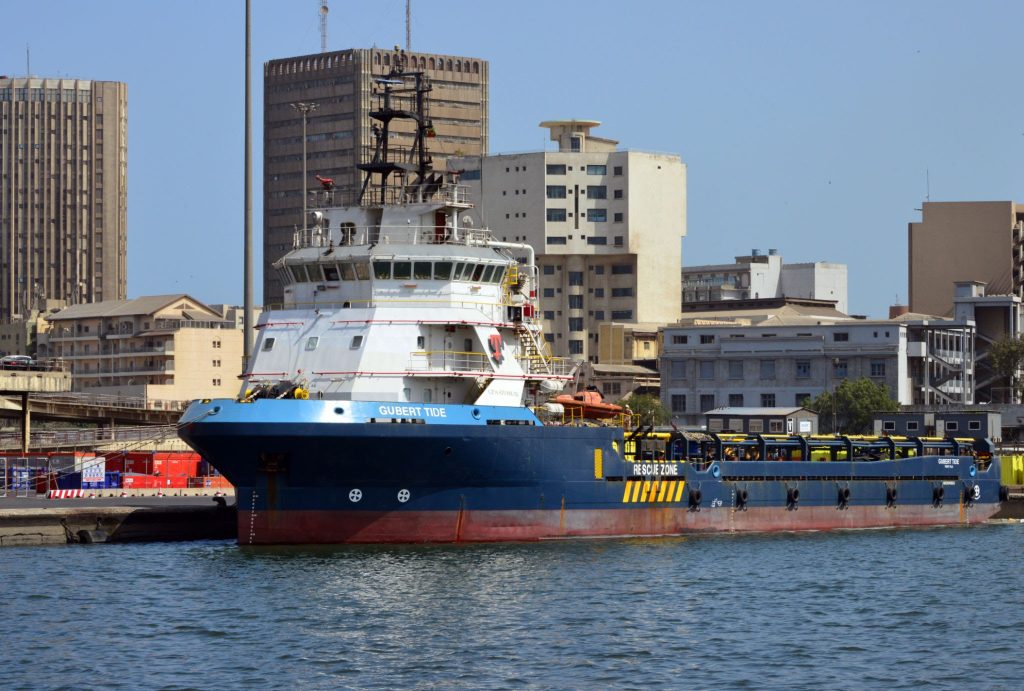
Long-term vessel chartering offers charterers stability, rate predictability, and asset customization. However, navigating local market dynamics, crew retention, maintenance schedules, and regulatory hurdles requires a trusted partner. At Oitha Marine, we deliver tailored chartering solutions across Nigeria and West Africa built to international standards.
1. Core Technical & Operational Evaluation
Before committing to a multi-month or multi-year Time Charter Party (TCP), charterers must align vessel capabilities with project demands.
- DP System Reliability: Ensure DP1 or DP2 positioning systems match station-keeping requirements for platform supply or offshore construction.
- Deck Space & Liquid Capacities: Confirm cargo deck area (
), deck load limits (
), and tank capacities for fuel, fresh water, and liquid mud to minimize port call frequencies.
- Bollard Pull & Winch Specifications: For AHTS charters, verify certified continuous bollard pull and towing/anchor-handling winch capacity to guarantee rig-move safety.
- Speed & Fuel Efficiency: For fast crew boats, balance transit speed against fuel consumption curves to optimize operational expenditure.
2. Key Frameworks for Long-Term Charters
Long-term charters present unique financial and operational risks compared to spot market hires.
- Contractual Terms (BIMCO Standard): Utilizing standardized frameworks like BIMCO Supplytime ensures clear allocation of risks, off-hire clauses, and maintenance windows.
- Fuel & OPEX Management: Structure clear terms on bunkering responsibilities, lube oil supply, and specific fuel consumption guarantees.
- Dry-Docking & Off-Hire Provisions: Plan for scheduled class surveys and intermediate dry-dockings to protect project timelines without unexpected downtime.
3. Regulatory & Safety Compliance in West Africa
Operating in West African waters requires strict adherence to maritime and local content legislation.
- Cabotage & Local Content: Full compliance with local maritime laws (such as the Nigerian Coastal and Inland Shipping Act) prevents costly operational delays or legal holds.
- OCIMF & OVID Vetting: Adherence to Oil Companies International Marine Forum (OCIMF) standards ensures seamless entry into major oil field operations.
- STCW & Manning Regulations: Fully certified deck and engine crews compliant with STCW and IMO standards minimize operational risk and maximize safety on board.
4. Operational Comparison: Short-Term vs. Long-Term Chartering
| Feature | Spot / Short-Term Charter | Long-Term Time Charter |
| Day Rate Stability | Subject to spot market volatility | Locked, predictable rates |
| Vessel Modification | As-is condition | Tailored equipment retrofits allowed |
| Operational Control | High turnover, variable crews | Dedicated crew familiar with project |
| Regulatory Risk | Ad-hoc compliance checks | Pre-vetted, long-term compliance plan |
Direct Consultation with Oitha Marine
Streamline your marine offshore operations with direct access to specialized tonnage and end-to-end support.
- Email: info@oithamarine.com
- Web: oithamarine.com
- Direct Service: Consult directly with our technical master mariners and chartering desk to review your technical specifications, evaluate vessel availability, and structure a custom charter agreement.
Recent Comments