
Geopolitical volatility across key ocean trade corridors—including the Bab-el-Mandeb Strait, the Red Sea, the Strait of Hormuz, and the Black Sea—has fundamentally altered the economics of global shipping. For shipowners, charterers, and cargo interests, operating through declared chokepoints is no longer merely a navigational hazard; it is a complex financial and legal risk management discipline.
As the Joint War Committee (JWC) expands its Listed Areas, marine underwriters have adjusted breach premiums, canceled seven-day notice coverage, and introduced strict operational warranties. Navigating this high-hazard landscape requires a comprehensive understanding of the interplay between Hull & Machinery (H&M) policies, Protection & Indemnity (P&I) club rules, specialized War Risk insurance covers, and contractual indemnities governed by BIMCO charterparties.
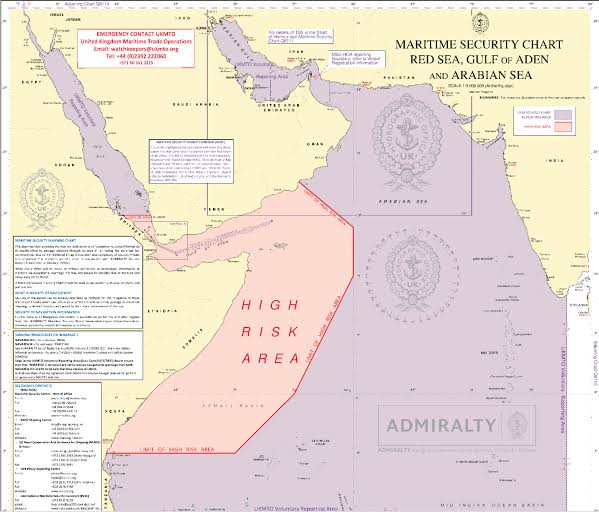
JWC Listed Areas dictate War Risk Breach Premiums and routing warranties.. Source: De Maribus
This whitepaper provides a operational and legal framework for corporate risk officers, marine insurance managers, and chartering executives, analyzing:
- Insurance Policy Architecture: Distinguishing standard H&M and P&I perils from operational War Risk triggers.
- JWC Listed Areas & Premium Structuring: How Breach Premiums (AP) are calculated and passed through value chains.
- P&I Loss Prevention Protocols: Managing crew safety, anti-piracy measures, and third-party liabilities under International Group of P&I Clubs (IGP&I) guidelines.
- Charterparty Allocations: Structuring BIMCO CONWARTIME 2004/2013 and VOYWAR 2004 clauses to manage safe port obligations and deviation costs.
1. Deconstructing Marine Insurance Architecture: H&M, P&I, and War Risk
Marine risk transfer relies on three primary pillars. Understanding the exact boundary lines between these policies is essential to preventing uncovered losses during geopolitical incidents.
┌──────────────────────────────────────────────────────────────────────────────┐
│ MARITIME INSURANCE POLICY TAXONOMY │
├──────────────┬───────────────────────────────────┬───────────────────────────┤
│ COVERAGE TYPE│ PRIMARY HAZARDS & PERILS COVERED │ CAPITAL PROVIDER MODEL │
├──────────────┼───────────────────────────────────┼───────────────────────────┤
│ Hull & │ Physical damage to vessel structure│ Commercial Syndicate / │
│ Machinery │ marine machinery, collision, │ Marine Underwriters │
│ (H&M) │ grounding, marine perils (marine) │ (Fixed Premium) │
├──────────────┼───────────────────────────────────┼───────────────────────────┤
│ Protection & │ Third-party liabilities: crew injury│ Mutual P&I Clubs │
│ Indemnity │ cargo damage, pollution, wreck │ (International Group / │
│ (P&I) │ removal, third-party collision │ Mutual Risk Sharing) │
├──────────────┼───────────────────────────────────┼───────────────────────────┤
│ War Risk │ Hostilities, warlike operations, │ Specialized War Syndicates│
│ (H&M + P&I) │ missile strikes, mines, weapons of│ (Commercial + Mutual │
│ │ war, terrorism, political seizure │ War Associations) │
└──────────────┴───────────────────────────────────┴───────────────────────────┘
Hull & Machinery (H&M) Marine vs. War Covers
Standard H&M policies (governed by traditional Institute Time Clauses – Hulls 1/11/95 or Nordic Marine Insurance Plan rules) cover physical loss or damage resulting from marine perils such as heavy weather, collision, and mechanical breakdown. However, standard marine policies explicitly contain a FC&S Clause (Free of Capture and Seizure), excluding losses caused by war, civil conflict, torpedoes, mines, or weapons of war.
To protect the vessel structure in hostile zones, shipowners purchase standalone War Risk H&M Insurance. This policy reinstates coverage for physical hull damage caused by warlike operations, missile strikes, drone attacks, and hostile detainment.
Protection & Indemnity (P&I) War Excess Cover
Third-party liabilities—such as crew death or injury compensation, environmental oil spills following a hull breach, and wreck removal costs—are insured through mutual P&I Clubs. Standard P&I club rules also carry war risk exclusions.
To bridge this exposure, P&I Clubs provide P&I War Risk Cover up to a specific primary limit (typically $500 million), with excess war risk policies placed in commercial markets to cover catastrophe scenarios up to International Group pooling limits.
2. The Joint War Committee (JWC) Framework and Premium Economics
The Joint War Committee (JWC)—comprising syndicate underwriters from the Lloyd’s Market Association (LMA) and the International Underwriting Association (IUA)—regularly updates the JWC Listed Areas (Areas of Peril). These designations dictate when standard war risk policies require formal notification and additional financial underwriting.
WAR RISK BREACH PREMIUM COMPUTATION
┌─────────────────────────────────────────────────────────────────────────┐
│ Vessel Enters JWC Listed Area │
└─────────────────────────────────┬───────────────────────────────────────┘
│
▼
┌─────────────────────────────────────────────────────────────────────────┐
│ 7-Day Notice & Underwriter Notification │
│ Shipowner informs broker of entry date, transit duration & route │
└─────────────────────────────────┬───────────────────────────────────────┘
│
▼
┌─────────────────────────────────────────────────────────────────────────┐
│ Breach Premium (Additional Premium / AP) │
│ Calculated as % of Insured Hull Value (e.g., 0.5% to 1.0% per transit) │
│ Example: $50M Hull Value @ 0.75% AP = $350,000 per 7-day transit │
└─────────────────────────────────┬───────────────────────────────────────┘
│
▼
┌─────────────────────────────────────────────────────────────────────────┐
│ Charterparty Pass-Through │
│ Under BIMCO CONWARTIME, AP cost is invoiced directly to Time Charterer │
└─────────────────────────────────────────────────────────────────────────┘
Additional Premium (AP) Mechanics
When a vessel enters a JWC Listed Area:
- Notice Requirement: The shipowner must issue advance notice to war risk underwriters prior to entry.
- Cancellation and Rate Reset: Underwriters hold the right to cancel existing annual war cover upon 7 days’ notice, resetting terms and quoting an Additional Premium (AP) or Breach Premium for a specified period (typically 7 days).
- Valuation Volatility: Breach premiums are expressed as a percentage of the vessel’s agreed insured value. In extreme escalation scenarios, 7-day breach premiums in high-risk zones can spike from 0.05% to over 1.0% of hull value, adding hundreds of thousands of dollars to a single transit.
3. P&I Loss Prevention and Operational Risk Management
P&I Clubs do not merely indemnify losses; they mandate strict loss-prevention protocols. Failure by a shipowner to observe basic seamanship standards or published safety circulars can compromise insurance recovery under “prudent uninsured” provisions.
Operational risk controls must be maintained under P&I loss prevention rules.. Source: Charterama
Crew Protection and Seafarer Rights
Under Maritime Labour Convention (MLC) standards and collective bargaining agreements (e.g., IBF/ITWF agreements), seafarers operating within designated High Risk Areas (HRA) possess statutory rights:
- Right of Refusal: Crew members may refuse to sail into high-hazard zones and demand repatriation at the shipowner’s expense.
- Double Bonus Compensation: Mandatory payment of 100% basic wage bonuses for every day spent within active warlike operation areas.
- Enhanced Death and Disability Cover: Mandated high-limit P&I indemnities for crew casualties caused by war hazards.
Physical Security Measures and BMP Implementation
Vessels transiting vulnerable corridors must deploy Best Management Practices (BMP) physical hardening measures:
- Razor wire perimeter defenses and physical access hardening around the accommodation block.
- Establishment of an armored Citadel equipped with independent communications, emergency steering control, and isolated life support.
- AIS management protocol compliance, aligning with flag-state guidance on maritime domain awareness while navigating electronic warfare and GPS-spoofing environments.
4. Charterparty Allocation: BIMCO Clauses and Legal Liability
The financial allocation of war risk premiums and the operational right to refuse orders are governed by standard charterparty forms. Ambiguous contractual drafting leads to costly legal arbitrations before the London Maritime Arbitrators Association (LMAA) or the Society of Maritime Arbitrators (SMA) in New York.
┌──────────────────────────────────────────────────────────────────────────────┐
│ BIMCO WAR RISK CLAUSE COMPARISON MATRIX │
├──────────────────────────────┬───────────────────────┬───────────────────────┤
│ CHARTERPARTY CLAUSE │ CONWARTIME 2013 │ VOYWAR 2004 │
├──────────────────────────────┼───────────────────────┼───────────────────────┤
│ Contract Type │ Time Charterparty │ Voyage Charterparty │
├──────────────────────────────┼───────────────────────┼───────────────────────┤
│ Threshold Test for Deviation │ “Reasonable Judgment” │ “Reasonable Judgment” │
│ │ of Master / Owner │ of Master / Owner │
├──────────────────────────────┼───────────────────────┼───────────────────────┤
│ Premium Allocation │ Additional Premiums │ Owner pays baseline; │
│ │ paid by Charterer │ AP increase borne by │
│ │ │ Charterer │
├──────────────────────────────┼───────────────────────┼───────────────────────┤
│ Right to Refuse Orders │ Yes, owner may reject │ Yes, owner may request│
│ │ dangerous routes/ports│ alternative port │
└──────────────────────────────┴───────────────────────┴───────────────────────┘
The “Reasonable Judgment” Standard
Under BIMCO CONWARTIME 2013, the Master or Shipowner is entitled to refuse orders to proceed into a port or zone if, in their reasonable judgment, the vessel, crew, or cargo may be exposed to War Risks (including acts of war, terrorism, hostilities, or kinetic strikes). Crucially, the owner does not need to prove absolute certainty of harm—only that an objective risk assessment supports their decision to decline the charterer’s routing orders.
Pass-Through Financial Mechanics
When a time-chartered vessel transits a JWC area under CONWARTIME:
- The shipowner pays the underwriter’s invoice for the Breach Premium.
- The shipowner re-invoices the time charterer for the exact AP amount, alongside any crew war bonus costs incurred.
- If a charterer fails to pay the AP invoice, the owner may issue a notice of default, exercising a lien on freight or sub-freight.
5. Claims Management and Constructive Total Loss (CTL) Protocols
When kinetic attacks or long-term detentions occur, marine insurance claims management follows rigorous legal timelines.
The 12-Month Detainment Rule (Constructive Total Loss)
If a vessel is trapped or detained in a war-zone port due to blocked waterways or political seizure, shipowners face massive cash flow erosion. Under standard marine war risk policies:
- If the vessel remains continuously detained for 12 calendar months, it may be declared a Constructive Total Loss (CTL).
- Upon formal notice of abandonment by the shipowner, war risk underwriters must pay out the full Agreed Insured Value of the hull.
General Average (GA) Declarations
In cases where a vessel sustains damage from a mine or drone strike but successfully reaches a port of refuge under emergency tow, the shipowner may declare General Average (GA) under the York-Antwerp Rules. All salvage costs, port of refuge expenditures, and emergency repairs are shared proportionally among the Hull Underwriters, Cargo Owners, and Fuel Charterers based on saved property values.
Conclusion: Strategic Risk Management Roadmap
As geopolitical tensions continue to reshape international trade routes, marine insurance can no longer be treated as an administrative cost center. Enterprise shipowners, charterers, and energy majors must integrate underwriting considerations directly into operational planning.
MARITIME RISK INTEGRATION HORIZON
Phase 1: Contractual Pre-Clearance ► Phase 2: Dynamic Underwriting ► Phase 3: Automated Claims & GA
• BIMCO CONWARTIME integration • Real-time AP cost modeling • Immutable telemetry audit trail
• Clear AP pass-through terms • Pre-routed JWC monitoring • Rapid CTL & GA settlement
By aligning legal charterparty terms with JWC notification rules, implementing rigorous P&I loss-prevention measures, and deploying real-time breach premium cost modeling, commercial ocean operators ensure both physical fleet safety and robust financial balance sheet protection.
Deep-Dive Frequently Asked Questions (FAQs)
Q1: What is the operational trigger for a Joint War Committee (JWC) breach premium?
Answer: The operational trigger is the physical entry of a vessel into a geographic area specified on the JWC Listed Areas map. Upon crossing the defined boundary, the shipowner’s standard annual war risk cover is subject to 7 days’ cancellation notice, requiring the payment of an Additional Premium (AP) to maintain cover for the duration of the transit within the high-risk zone.
Q2: Who bears the financial burden of war risk premiums under a standard time charterparty?
Answer: Under standard charterparty forms such as BIMCO CONWARTIME 2013, the charterer bears the cost of any Additional Premiums (AP) and crew war bonuses triggered by ordering the vessel into a JWC Listed Area. The shipowner pays the underwriter directly and passes the exact expense through to the charterer.
Q3: How does a Constructive Total Loss (CTL) work under a war risk policy during prolonged detention?
Answer: If a vessel is trapped, blocked, or detained in a hostile area without physical destruction, war risk policies typically stipulate a 12-month detainment clause. If the owner remains deprived of the vessel’s operational control for 12 consecutive months, the shipowner may issue a formal Notice of Abandonment, allowing them to claim the full agreed hull value as a Constructive Total Loss.
Q4: Does standard P&I cover apply if a vessel enters a war zone without notifying underwriters?
Answer: No. Standard P&I policies exclude war risks via automatic exclusion clauses. While P&I Clubs provide underlying War Risk Excess cover, failure to notify underwriters of entry into a JWC breach area—or violating mandatory flag-state security warranties—can void coverage, leaving the shipowner directly liable for third-party damages, crew claims, and pollution liabilities.
Q5: What is the difference between General Average (GA) and Hull & Machinery (H&M) claims following a hostile strike?
Answer: An H&M claim covers the direct physical cost of repairing the damaged vessel structure and machinery. General Average (GA) is an ancient maritime legal principle invoked when an extraordinary sacrifice or expenditure (e.g., emergency towage to a port of refuge) is voluntarily made to preserve the common maritime adventure. Under GA, all participating financial interests—shipowner, cargo owners, and charterer—contribute proportionally to compensate the incurred emergency costs.
For technical inquiries regarding marine risk underwriting, JWC compliance mapping, or BIMCO charterparty dispute resolution, contact Oitha Marine’s Marine Insurance & Advisory Division.
Recent Comments